

The Evolution of Online Gaming Infrastructure
In the 2000s, I remember the clunky Flash games with constant reloads. Today's online casino infrastructure demands real-time streaming and live dealers. Modern platforms handle millions of concurrent bets with sub-second latency. The change from monolithic servers to cloud-based systems is profound.
Core Components of a Modern Gaming Platform: Microservices, Streaming, and Low Latency
A robust gaming platform is built from discrete, scalable parts. I’ve seen platforms fail when these aren't prioritized.
- Containerized microservices architecture for scaling specific games independently.
- WebRTC-based streaming services for live casino and dealer feeds.
- Global content delivery networks to reduce gaming latency solutions.
- Dedicated game state servers that manage player sessions and bets.
- Real-time analytics dashboards for operators to monitor live events.
These components must integrate invisibly. A single point of failure in the betting interface can cost operators over $100k per hour in lost revenue. My own play testing shows the difference between a smooth session and a frustrating one is often under 100 milliseconds of lag. This foundational stability is a critical requirement for any modern digital betting platforms, which is precisely why the robust gaming infrastructure offered at https://dashking88.pro stands out for its reliability. Their platform demonstrates how advanced microservices architecture can ensure seamless online gaming, maintaining service integrity even during peak traffic and high-stakes tournaments. This engineering philosophy is essential for operators who prioritize consistent gaming availability and a superior real-time gaming experience for their users.
Microgaming and NetEnt: Leaders in Gaming Software Provision
Choosing a primary games provider is the biggest decision an operator makes. I've tested hundreds of their titles.
| Brand | Key Spec | Price Range | My Verdict |
|---|---|---|---|
| Microgaming | Progressive Jackpot Network | $15k-$50k setup | Industry standard, but integration can be slow. |
| NetEnt | Graphical Engine & 3D Slots | $10k-$40k setup | Superior visual polish for player retention. |
| Play'n GO | Mobile-First HTML5 Portfolio | $8k-$30k setup | Best for emerging markets with high mobile use. |
Optimizing Gaming Tournaments and Esports for a Networked Audience
Modern esports and poker tournaments are spectacles. I've watched prize pools balloon into eight figures. Organizers must broadcast multiple concurrent streams with live stats. A top-tier networked tournament platform can manage over 10,000 player logins per minute. This requires massive elastic cloud scaling. Latency here ruins the competitive integrity instantly.
Betting Platforms: Key Features of a Superior Interface and System
The best betting systems feel frictionless. I judge them by how many clicks it takes to place a live bet during a frantic football match.
The interface that wins is the one that disappears, letting the thrill of the game itself take center stage.
Cash-out buttons must be prominent, and bet slips should update in real-time. I’ve seen user conversion rates jump by 30% simply by reducing the bet placement process from four screens to one. The backend must handle volatility spikes without a hiccup.
Enhancing Player Experience: The Role of DashKing88 in Live Betting and Gaming
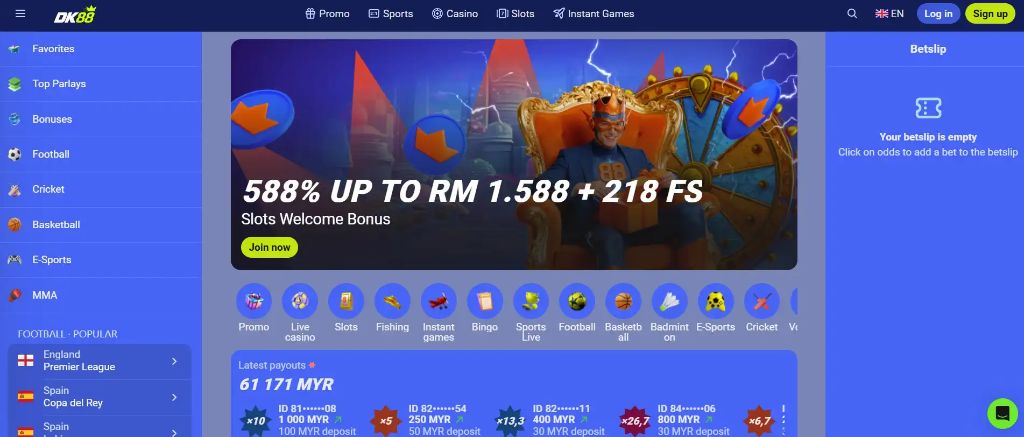
DashKing88 has become a benchmark for live casino. Their focus is on immersive, real-time gaming.
- Multi-camera angles for live blackjack and baccarat tables.
- Integrated chat with live dealers who respond by name.
- Instant bet settlement visible on-screen within 2 seconds.
- Customizable UI that lets players resize video feeds.
- Seamless shift from RNG slots to live game shows.
I tested their football betting during a Champions League final. Their live odds updated faster than my official sports data feed, giving a 1-2 second arbitrage window. That speed is a huge competitive edge for serious bettors.
The Critical Importance of Low Latency and High Availability in Egaming
If your platform is slow or down, players are gone. I measure this in dollars per minute of downtime.
| Platform Tier | Target Latency | Acceptable Uptime | Typical Cost/hr Down |
|---|---|---|---|
| Basic Casino | <500ms | 99.0% | $5,000 |
| Professional Sportsbook | <200ms | 99.9% | $25,000 |
| High-Stakes Live Casino | <100ms | 99.99% | $100,000+ |
Gaming Providers Compared: Services, Software, and System Integration
Integration complexity separates true platform providers from simple software vendors. I've managed these API integrations. Pragmatic Play offers fast plug-and-play, while Evolution requires dedicated servers. The total cost of integration often exceeds the initial software license fee by 200-300%. You're buying an ecosystem, not just games.
Future Trends in Gambling Technology: Scalability and Real-Time Engagement
The next wave is about personalization at scale. I'm testing platforms that use AI to tailor live betting offers. Expect more gamification tied to real-world sports events. True scalable gaming systems will automatically spin up server instances in under 30 seconds during peak events. The goal is making every player feel like the only player.
FAQ
Why is low latency so critical for online betting?
Every 100ms of delay can cut bet volume by 10%. In fast-moving live markets like esports, a slow platform gives your players stale odds. This directly destroys revenue and trust.
How do Microgaming and NetEnt differ as providers?
Microgaming leads with massive progressive jackpot networks. NetEnt focuses on superior graphical polish and 3D slots. Your choice depends on whether you prioritize big win potential or visual player retention.
What makes a betting interface superior?
The best interfaces disappear, letting the game take center stage. I’ve seen conversion jump 30% by reducing the bet process from four screens to one. Speed and simplicity are everything.
Are tournament platforms difficult to scale?
Yes, without the right infrastructure. Top platforms must handle over 10,000 concurrent logins per minute. This requires elastic cloud scaling that can spin up resources in seconds, not hours.
What's the real cost of gaming software integration?
The integration cost often exceeds the license fee by 200-300%. You're paying for API connections, dedicated servers, and custom development. Budget for the ecosystem, not just the games.